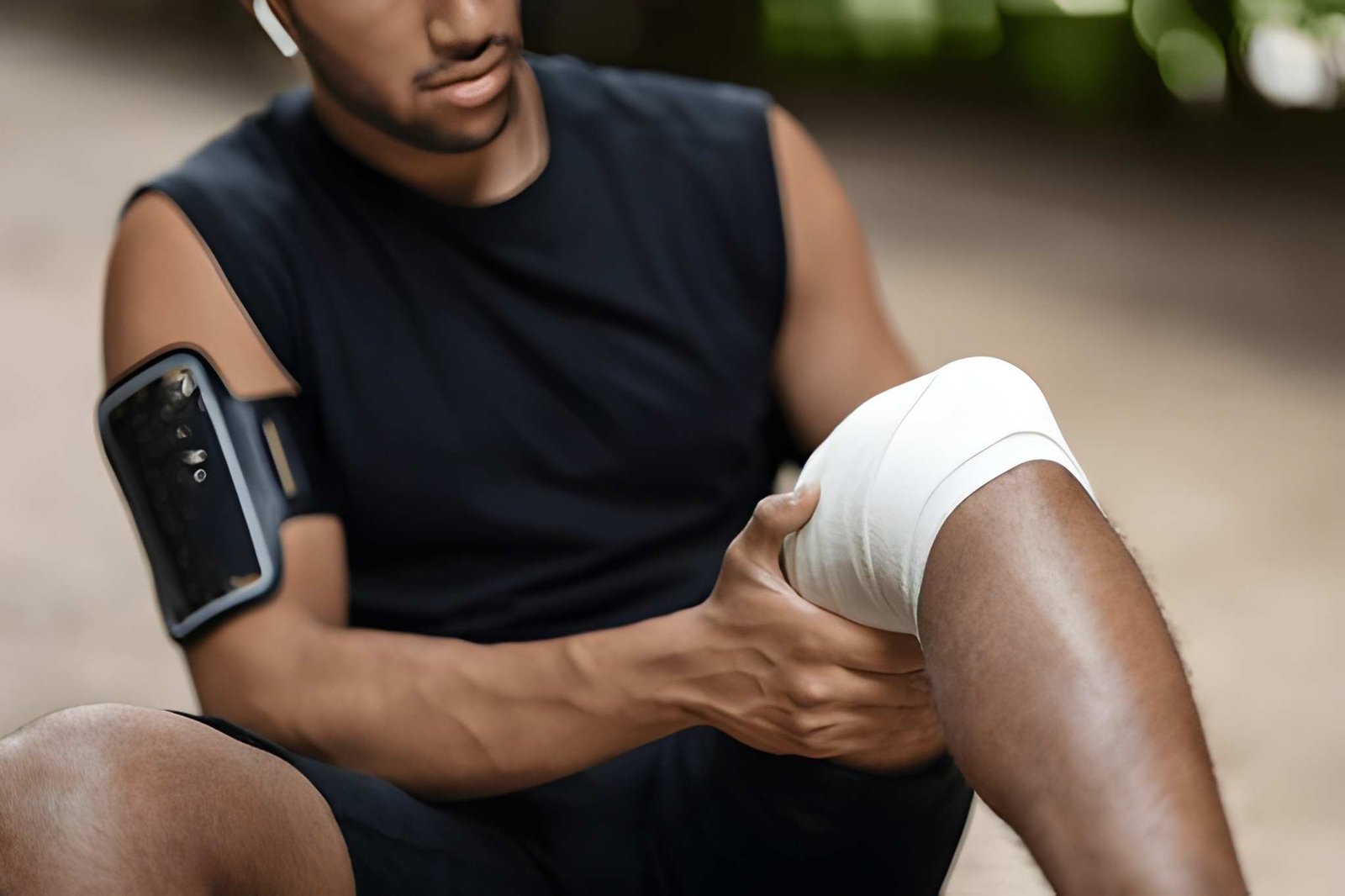
Knee pain can affect nearly everything you do. Walking your dog, getting up from a chair, climbing stairs, exercising, or even trying to sleep comfortably can become frustrating when your knee is constantly reminding you it hurts.
For some people, knee pain begins after an injury or overuse. For others, it slowly builds over time with no clear cause. Sometimes it comes and goes. Sometimes it lingers for months.
The good news is that knee pain often responds well to a thoughtful approach that focuses on reducing irritation, improving movement, and helping the body recover naturally.
Why Knee Pain Happens
The knee is a hardworking joint that absorbs force every day. It also depends on good movement from the hips, ankles, feet, and surrounding muscles. When one part of that system is off, the knee often pays the price.
Common causes of knee discomfort include:
- Overuse from running, hiking, cycling, or sports
- Tendon irritation such as patellar tendon pain
- Meniscus strain or previous injuries
- Arthritis and age-related wear
- Tight muscles in the quads, hamstrings, calves, or hips
- Swelling and inflammation in the joint
- Poor movement mechanics or compensation patterns
Sometimes the knee itself is not the full story. Weak hips, stiff ankles, or altered gait after an old injury can continue feeding stress into the joint.
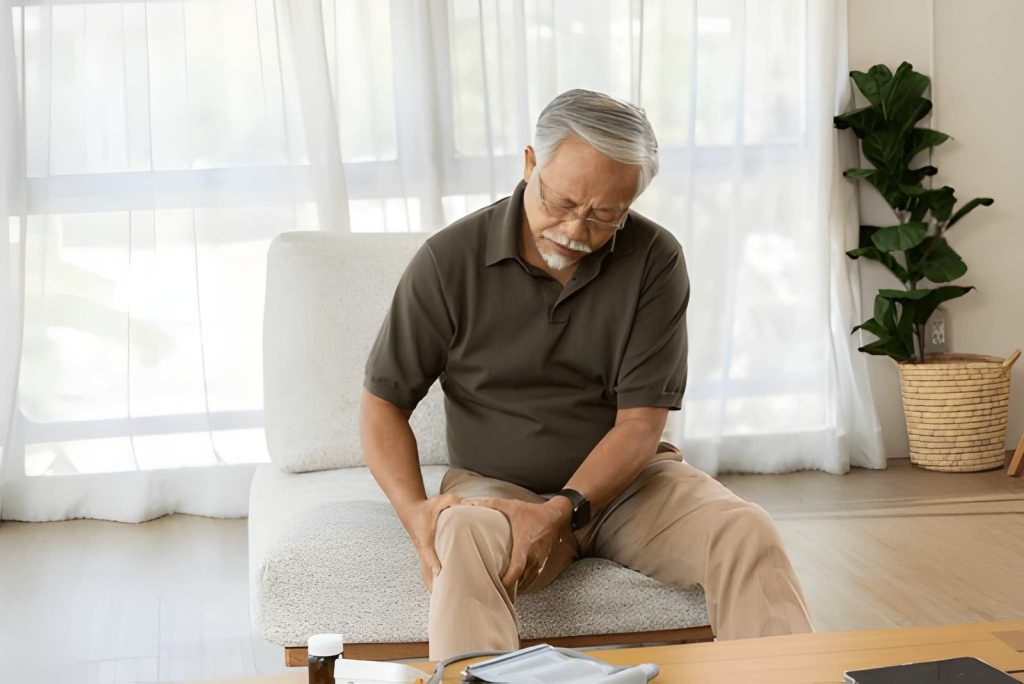
Why Knee Pain Keeps Coming Back
Many people try rest, stretching, ice, braces, or anti-inflammatory medication. These can be helpful, but if the underlying pattern is not addressed, the pain often returns.
Common reasons knee pain lingers:
- Ongoing inflammation that never fully settles
- Tight or imbalanced muscles pulling on the joint
- Poor circulation slowing recovery
- Compensation from hip, foot, or low back issues
- Returning to activity before the tissue is ready
- Nervous system sensitivity keeping the area reactive
This is why short-term relief is common, but lasting progress can feel harder to reach.
How Acupuncture May Help Knee Pain
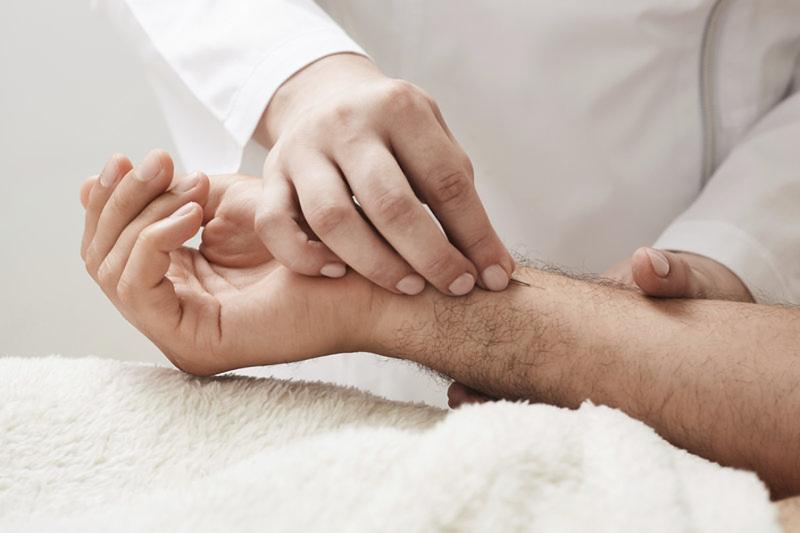
Acupuncture is often used to support recovery from both recent and chronic knee pain. Treatment is tailored to the individual and may focus on the knee itself as well as related areas influencing movement.
Many patients seek acupuncture to help:
- Reduce pain and irritation
- Calm inflammation
- Improve circulation to the area
- Release tight surrounding muscles
- Support mobility and range of motion
- Improve recovery after overuse or flare-ups
- Help the body shift out of a chronic pain cycle
In many cases, treating the hips, calves, ankles, or surrounding muscles can be just as important as treating the knee.
A Whole-Body View of Knee Pain
With Acupuncture, knee pain is not viewed as just one sore joint. We look at how the whole body is contributing:
- Gait and movement patterns
- Muscle tension and compensation
- Inflammation levels
- Stress and recovery capacity
- Previous injuries that may still be influencing mechanics
That broader perspective often helps explain why knee pain has been stubborn or recurring.
What This Means for Patients
If your knee pain keeps returning, it does not always mean something is permanently damaged. Often it means the area needs a better recovery strategy and a more complete view of what is driving the irritation.
Whether your pain comes from exercise, aging, inflammation, or an old injury, the body usually responds best when pain relief and movement quality are addressed together.
Looking for Acupuncture for Knee Pain in San Diego?
At Numen Lumen Acupuncture, we help patients with knee pain using personalized treatment plans designed to reduce discomfort, improve movement, and support long-term recovery.
If you are dealing with ongoing knee pain and not getting clear answers, we can talk it through.We offer a free 15-minute phone consultation to help you understand what may be contributing to your symptoms and whether acupuncture could help.